Turning Waste into Renewable Energy Resources
In our modern world, where climate change and energy sustainability are major concerns, the concept of converting waste into renewable energy resources has emerged as a promising solution. This innovative approach not only addresses waste management challenges but also contributes significantly to generating clean energy. In this article, we explore different methods and technologies for transforming waste into energy, the environmental benefits, and the future prospects of waste-to-energy conversion.
The Growing Need for Waste-to-Energy Solutions
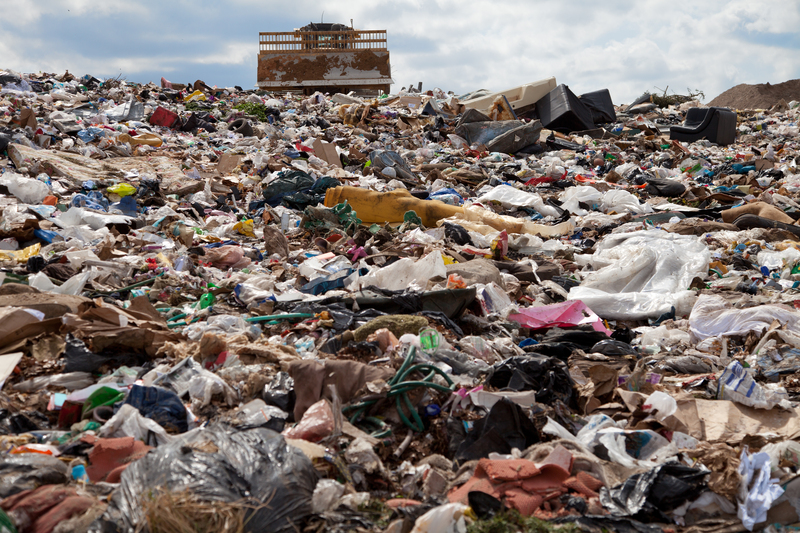
The continuous rise in waste generation globally poses severe challenges. Landfills are rapidly filling up, and improper waste disposal leads to pollution and greenhouse gas emissions. Focus on sustainable waste management is therefore more critical than ever. Converting waste into energy not only helps reduce the overall waste footprint but also allows for the production of renewable energy, aligning with global sustainability goals.
Understanding Waste-to-Energy Technologies
Several waste-to-energy technologies exist, each with distinct methodologies and applications. Below we discuss some of the most prevalent and effective waste-to-energy solutions:
1. Thermal Conversion Technologies
Thermal conversion processes are among the most common methods employed to convert waste into energy. These processes use heat to convert waste materials into different forms of usable energy.
- Incineration: This process involves burning waste materials to produce heat, which is then used to generate electricity. Despite its efficiency, incineration can release harmful pollutants if not carefully managed.
- Gasification: Waste materials are converted into syngas through partial combustion at high temperatures. This syngas can be used to produce electricity or as a chemical feedstock.
- Pyrolysis: Waste is decomposed at high temperatures in the absence of oxygen, producing liquid and gaseous fuels that can be used for energy production.
2. Biological Conversion Technologies
Biological processes predominantly utilize microorganisms to break down organic matter present in waste, transforming it into energy.
- Anaerobic Digestion: Organic waste is broken down by bacteria in an oxygen-free environment, producing biogas that can be used for heating or electricity generation.
- Fermentation: Biomass is fermented to produce ethanol and other biofuels, which serve as renewable energy sources.
3. Chemical Conversion Technologies
Chemical processes involve the synthesis or decomposition of waste materials using chemical reactions, yielding valuable energy resources.
- Hydrothermal Liquefaction: Wet biomass is converted into bio-crude oil through high-pressure chemical reactions, which can then be refined into renewable diesel.
- Transesterification: Used cooking oils and animal fats are converted into biodiesel through a chemical process, providing an alternative to fossil fuels.
Environmental Benefits of Waste-to-Energy Conversion
The implementation of waste-to-energy solutions offers numerous environmental advantages:
- Reduction of Waste Volume: Converting waste into energy significantly reduces the volume of waste sent to landfills, extending their lifespan and minimizing their environmental impact.
- Lower Greenhouse Gas Emissions: Waste-to-energy technologies help lower methane emissions from decomposing waste in landfills. Additionally, they offset carbon dioxide emissions by providing an alternative to fossil fuels.
- Conservation of Resources: This approach supports resource conservation by recovering valuable energy and materials from waste, thus reducing the demand for new raw materials.
Economic and Social Impacts
Beyond environmental benefits, converting waste into renewable energy resources offers significant economic and social advantages:
- Job Creation: The development and operation of waste-to-energy facilities create employment opportunities in both urban and rural areas.
- Energy Security: Generating energy from local waste reduces reliance on imported fossil fuels, enhancing national energy security.
- Cost Savings: Municipalities can lower waste management and energy expenses through integrated waste-to-energy systems.
The Challenges and Concerns of Waste-to-Energy
Despite the advantages, there are challenges and concerns associated with waste-to-energy conversion:
- Technological Limitations: Some technologies require significant investment and technological expertise, which can be barriers for widespread adoption.
- Environmental Pollutants: Without proper emissions control systems, waste incineration can release harmful pollutants into the air.
- Public Perception: There are often misconceptions and opposition regarding waste-to-energy projects due to perceived health and environmental risks.
Future Prospects and Innovations
The future of waste-to-energy conversion looks promising, with ongoing research and innovations aimed at enhancing efficiency and sustainability. Some emerging trends include:
- Improved Emission Controls: Advanced technologies for monitoring and controlling emissions from waste-to-energy facilities are being developed to meet stringent environmental standards.
- Integration with Circular Economy: Waste-to-energy solutions are increasingly being integrated into circular economy models, promoting material recycling and energy recovery.
- Decentralized Systems: Smaller, decentralized waste-to-energy plants are being introduced to handle local waste, reducing transportation emissions and energy costs.
Conclusion
Turning waste into renewable energy resources is an innovative approach that addresses multiple global challenges. By transforming waste into valuable energy, these technologies contribute to sustainable development, better waste management, and energy conservation. As technology advances and public awareness grows, waste-to-energy solutions will play an even greater role in creating a more sustainable and cleaner future.